
The Night the Trumpet Sounded
When familiarity becomes complacency.
English and Spanish versions are included on this page. Click any photograph to enlarge it.
Remembering Camp Lee
For nine years, my then-wife and I directed an annual youth retreat at Camp Lee on the side of Cheaha Mountain in Alabama. Its official name was Ichthus Youth Retreat, but to most of us it was simply Camp Lee. Twelve Methodist churches were involved, and the retreat grew over the years.
Each year we spent five days together in fellowship, worship, music and Bible study. I lined up the preachers and the band, and we organized the Bible studies and the retreat. I made a point of not handling the money. If anyone wanted to give me money, I directed them to my wife. I never wanted anyone to think I was doing it for financial gain.
Over those nine years, we watched children become young adults. Some arrived as sixth graders and continued attending throughout their high school years.
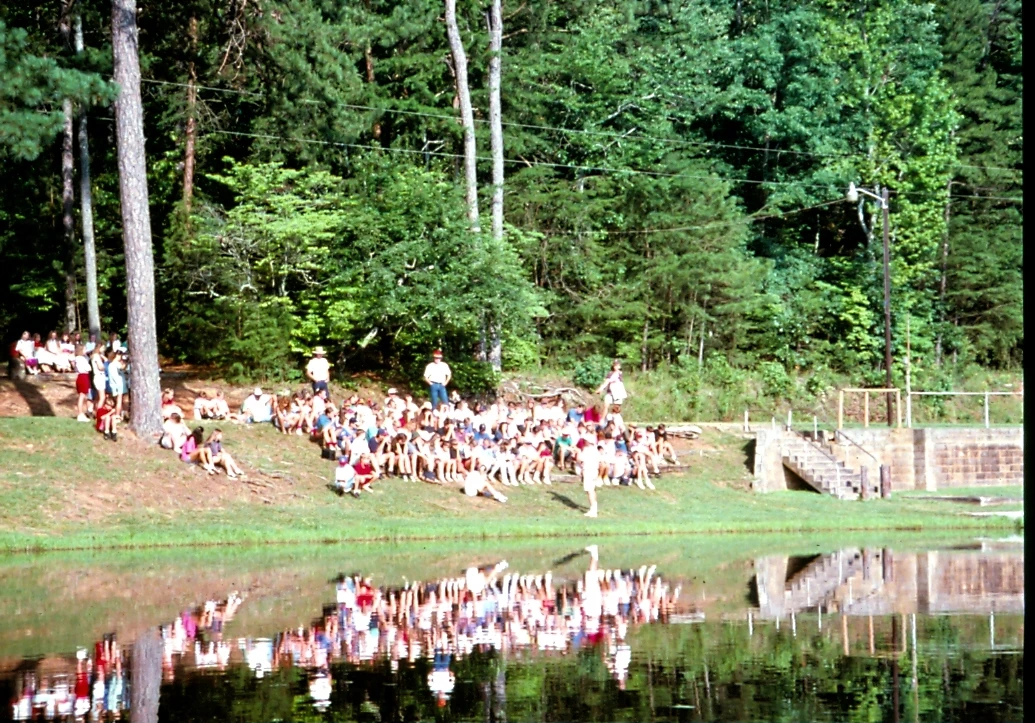
There was plenty of laughter, too. The kids played pranks on just about everyone. Early on, I laid down one rule: my wife and the love of Jesus Christ were precious to me, but so was my bed. Nobody was to mess with my bed. In nine years, they never did.
But something happened along the way. Familiarity began to breed complacency.
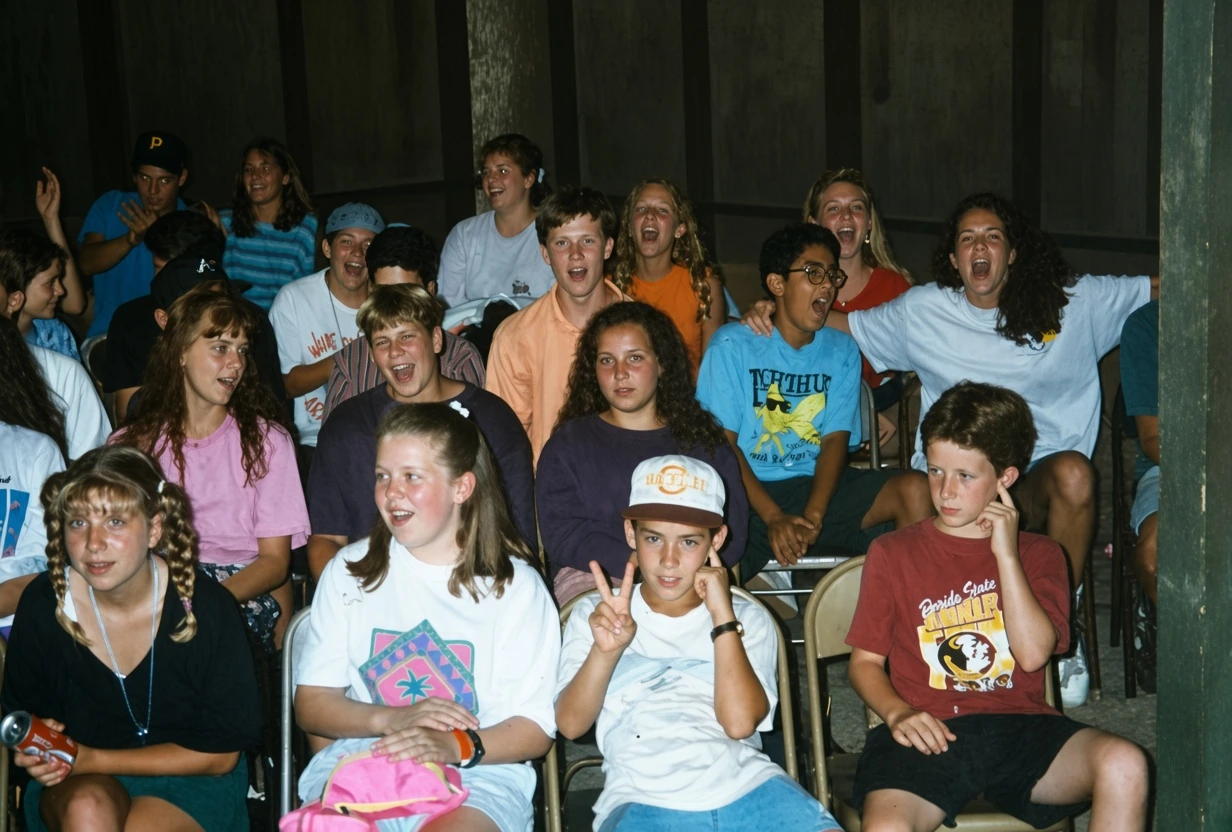
They knew the Scriptures. They knew the songs. They knew the message. Jesus loves us. We have heard it all before.
Meanwhile, younger children were sitting among them, some perhaps encountering these truths for the very first time.
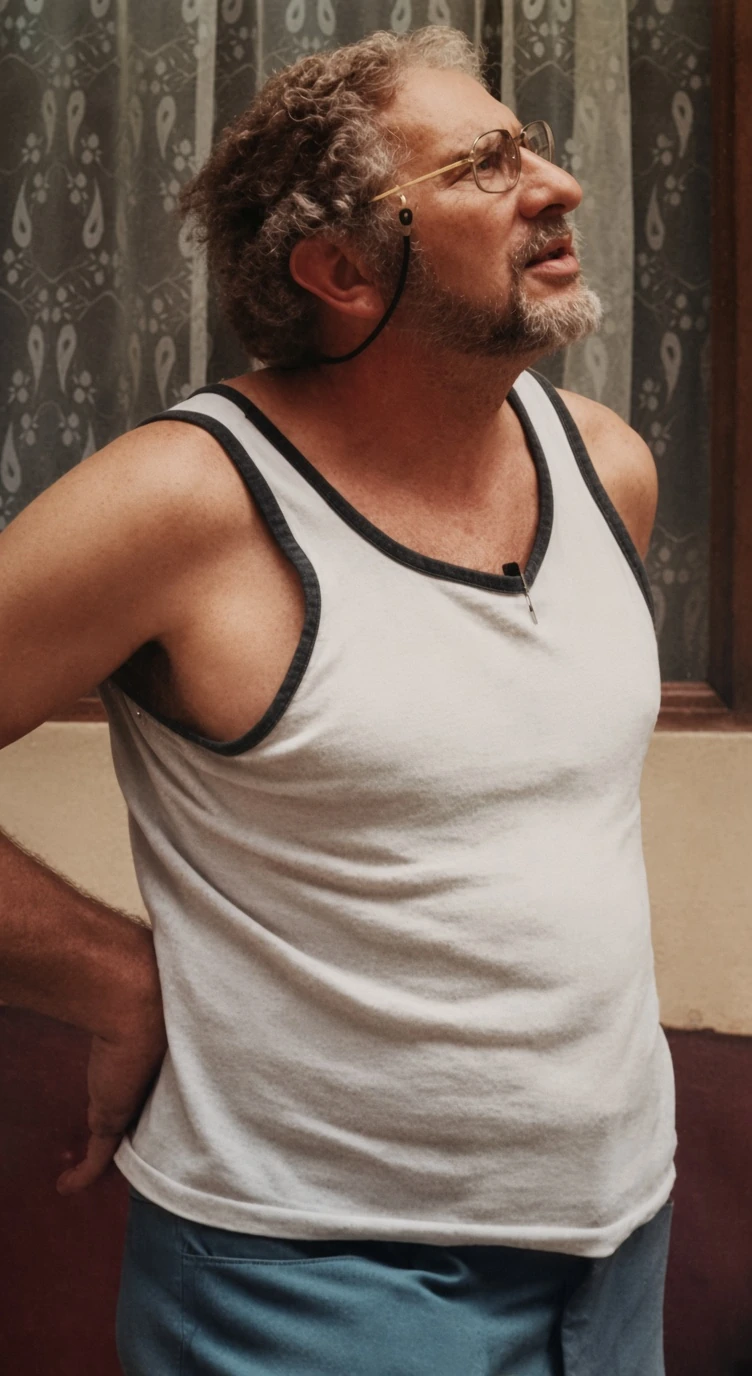
My mentor, Gerald Freeman, was preaching at the retreat. Gerald was the kind of preacher you wanted when you were holding a revival. He had an extraordinary ability to reach people.
I approached him about what I was observing.
Gerald recognized it, too. Those older kids—or “cats,” as Gerald liked to call them—had become a little too comfortable.
“Let's shake them up a little bit,” he suggested.
We devised a simple plan involving a plastic football stadium horn, someone stationed at the light switch, and a carefully timed signal.
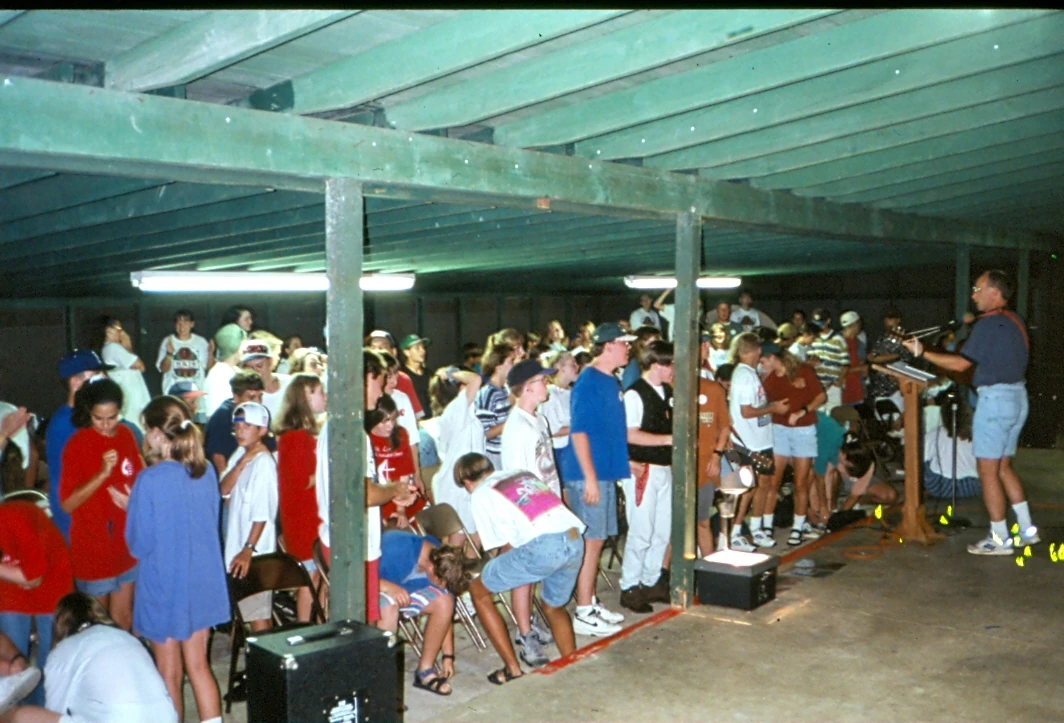
It was a hot summer night. We had a porch full of kids sitting in folding chairs.
Gerald was preaching.
Then he clapped his hands.
The lights went out.
From behind the porch, I sounded that horn as loudly as I could.
The girls sitting near the screen screamed.
Then Gerald's voice broke through the darkness.
“That's it. It's over. This is the Rapture. Are you going to make the trip, or are you staying here?”
What followed was something I will never forget.
Nearly everyone made their way to the front of that porch, where a simple step served as our altar. Those big, confident high school seniors who seemed to have everything figured out were crying like babies.
For a moment, the familiar had become profoundly personal.
I have never been an advocate of beating people over the head with the Bible. I want people to reason, question, investigate and understand why they believe what they believe. I do not believe fear alone provides a sound foundation for lasting faith.
But that night was different.
These young people already knew the message. What they had lost was their appreciation of its urgency.
We did not introduce them to a new truth. We confronted them with the implications of a truth they already professed to believe.
Even today, former campers occasionally contact me and recall that summer night on Cheaha Mountain.
They remember the trumpet.
But more importantly, they remember what it stirred within them.
Sometimes We Become Dry Bones
In Ezekiel 37, God leads the prophet into a valley filled with dry bones and asks him a seemingly impossible question:
“Son of man, can these bones live?”
The vision speaks of restoration and renewed hope for Israel. But there is also something in that imagery that invites us to examine our own spiritual lives.
Sometimes we become dry bones.
It doesn't necessarily happen because we have abandoned our faith. It happens gradually, often without our even noticing.
We still attend church. We still know the Scriptures. We still sing the hymns. We still profess our beliefs. From the outside, everything appears to be in place.
The bones are there, but where is the breath of life?
When was the last time the message of God's love genuinely excited us? When was the last time Scripture challenged us rather than simply confirmed what we already believed? When was the last time we considered what our faith meant to someone who had not yet discovered it?
There is a difference between having a mature faith and having a complacent faith. Maturity should deepen our enthusiasm, not extinguish it.
Perhaps those young people on that porch were not so different from many of us today.
Sometimes even those who have walked with God for years need to be awakened.
When Tomorrow Becomes an Assumption
Regardless of your theological position on the Rapture, there is one reality none of us can escape: tomorrow is not guaranteed.
An automobile accident, an unexpected medical emergency, or even an ordinary misstep can bring our earthly existence to an abrupt end.
Yet we live as though we have an unlimited supply of tomorrows.
We postpone reconciliation. We delay forgiveness. We neglect relationships. We put off difficult decisions. We become comfortable with the distance between what we believe and how we live.
Perhaps the greatest danger to our spiritual lives is not always disbelief.
Perhaps it is becoming so accustomed to what we believe that it no longer changes the way we live.
On one hot summer night on the side of Cheaha Mountain, a plastic trumpet interrupted that complacency.
The trumpet did not give those young people faith. It awakened them to the significance of the faith they already possessed.
We should not need another trumpet to remind us.
We should not have to stand in a valley of dry bones before recognizing our need for spiritual renewal.
Are we living what we believe, or have we simply become comfortable believing it?
La Noche que Sonó la Trompeta
Cuando la familiaridad se convierte en complacencia.
Haz clic en cualquier fotografía para ampliarla.
Recordando Camp Lee
Durante nueve años, mi entonces esposa y yo dirigimos un retiro juvenil anual en Camp Lee, en las faldas de la montaña Cheaha, en Alabama. Su nombre oficial era Ichthus Youth Retreat, pero para la mayoría de nosotros era simplemente Camp Lee. Participaban doce iglesias metodistas, y el retiro fue creciendo con los años.
Cada año pasábamos cinco días juntos compartiendo, adorando a Dios, disfrutando de la música y estudiando la Biblia. Yo coordinaba a los predicadores y al grupo musical, y organizábamos los estudios bíblicos y el retiro. Siempre procuré no manejar el dinero. Si alguien quería entregarme dinero, lo mandaba donde mi esposa. Nunca quise que nadie pensara que lo hacía por interés económico.
Durante esos nueve años vimos a niños convertirse en jóvenes adultos. Algunos llegaron cuando estaban en sexto grado y siguieron asistiendo hasta terminar la secundaria.
También había muchas risas. Los muchachos les hacían bromas a casi todos. Desde el principio puse una regla: mi esposa y el amor de Jesucristo eran muy valiosos para mí, pero mi cama también. Nadie debía meterse con mi cama. En nueve años, nunca lo hicieron.
Pero algo pasó con el tiempo. La familiaridad empezó a dar lugar a la complacencia.
Conocían las Escrituras. Conocían las canciones. Conocían el mensaje. Jesús nos ama. Ya lo hemos escuchado todo.
Mientras tanto, había muchachos menores entre ellos, algunos quizás descubriendo esas verdades por primera vez.
Mi mentor, Gerald Freeman, estaba predicando en el retiro. Gerald era el tipo de predicador que uno quería tener en una campaña de avivamiento. Tenía una capacidad extraordinaria para llegar a las personas.
Me acerqué a él para hablarle de lo que estaba observando.
Gerald también se había dado cuenta. Esos muchachos mayores, a quienes él solía llamar “cats”, se habían acomodado demasiado.
“Vamos a sacudirlos un poquito”, sugirió.
Ideamos un plan sencillo: una corneta de plástico de las que se usan en los partidos de fútbol americano, alguien junto al interruptor de la luz y una señal en el momento preciso.
Era una noche calurosa de verano. Teníamos el porche lleno de muchachos sentados en sillas plegables.
Gerald estaba predicando.
Entonces dio una palmada.
Se apagaron las luces.
Desde atrás del porche, hice sonar aquella corneta con todas mis fuerzas.
Las muchachas que estaban cerca de la malla comenzaron a gritar.
Entonces la voz de Gerald rompió la oscuridad.
“¡Ya está! Se acabó. Este es el arrebatamiento. ¿Se van a ir o se van a quedar aquí?”
Lo que pasó después es algo que nunca olvidaré.
Casi todos se acercaron al frente del porche, donde un simple escalón nos servía de altar. Aquellos jóvenes del último año de secundaria, tan grandes y seguros de sí mismos, que parecían tenerlo todo resuelto, lloraban como niños.
Por un momento, aquello tan familiar se volvió profundamente personal.
Nunca he sido partidario de golpear a la gente con la Biblia. Quiero que las personas razonen, cuestionen, investiguen y entiendan por qué creen lo que creen. No creo que el miedo por sí solo sea una base sólida para una fe duradera.
Pero aquella noche fue diferente.
Estos jóvenes ya conocían el mensaje. Lo que habían perdido era el sentido de su urgencia.
No les presentamos una verdad nueva. Los confrontamos con las implicaciones de una verdad que ya profesaban creer.
Aún hoy, de vez en cuando, algunos de aquellos jóvenes se comunican conmigo y recuerdan esa noche de verano en la montaña Cheaha.
Recuerdan la trompeta.
Pero, más importante aún, recuerdan lo que despertó en ellos.
A Veces Nos Convertimos en Huesos Secos
En Ezequiel 37, Dios lleva al profeta a un valle lleno de huesos secos y le hace una pregunta que parece imposible:
“Hijo de hombre, ¿vivirán estos huesos?”
La visión habla de restauración y de una esperanza renovada para Israel. Pero esa imagen también nos invita a examinar nuestra propia vida espiritual.
A veces nos convertimos en huesos secos.
No necesariamente porque hayamos abandonado nuestra fe. Sucede poco a poco, muchas veces sin que nos demos cuenta.
Seguimos asistiendo a la iglesia. Seguimos conociendo las Escrituras. Seguimos cantando los himnos. Seguimos profesando nuestras creencias. Por fuera, todo parece estar en su lugar.
Los huesos están ahí, pero ¿dónde está el aliento de vida?
¿Cuándo fue la última vez que el mensaje del amor de Dios nos emocionó de verdad? ¿Cuándo fue la última vez que las Escrituras nos desafiaron en vez de simplemente confirmar lo que ya creíamos? ¿Cuándo fue la última vez que pensamos en lo que nuestra fe podía significar para alguien que aún no la había descubierto?
Hay una diferencia entre una fe madura y una fe complaciente. La madurez debería profundizar nuestro entusiasmo, no apagarlo.
Quizás aquellos jóvenes del porche no eran tan diferentes de muchos de nosotros hoy.
A veces, incluso quienes han caminado con Dios durante años necesitan despertar.
Cuando Damos por Sentado el Mañana
Independientemente de tu postura teológica sobre el arrebatamiento, hay una realidad de la que ninguno de nosotros puede escapar: el mañana no está garantizado.
Un accidente de tránsito, una emergencia médica inesperada o incluso un simple tropiezo pueden poner fin a nuestra vida terrenal de manera repentina.
Sin embargo, vivimos como si tuviéramos una cantidad ilimitada de mañanas.
Posponemos la reconciliación. Dejamos el perdón para después. Descuidamos nuestras relaciones. Aplazamos decisiones difíciles. Nos acostumbramos a la distancia entre lo que creemos y la manera en que vivimos.
Quizás el mayor peligro para nuestra vida espiritual no siempre sea la falta de fe.
Quizás sea acostumbrarnos tanto a lo que creemos que ya no cambie nuestra manera de vivir.
Una noche calurosa de verano, en las faldas de la montaña Cheaha, una trompeta de plástico interrumpió aquella complacencia.
La trompeta no les dio fe a esos jóvenes. Los despertó al significado de la fe que ya tenían.
No deberíamos necesitar otra trompeta para recordárnoslo.
No deberíamos tener que encontrarnos en un valle de huesos secos para reconocer nuestra necesidad de renovación espiritual.
¿Estamos viviendo lo que creemos o simplemente nos hemos acostumbrado a creerlo?